lyllo casino bonus – utan omsättningskrav 2026
lyllo casino bonus fortsätter att utvecklas i rask takt, vilket skapar både möjligheter och utmaningar för spelare. Att förstå mekanismerna bakom bonusar är nyckeln till en positiv upplevelse. Den här texten ger dig en aktuell genomgång av vad som gäller på den svenska marknaden. Du kommer att märka att lyllo casino free spins ofta lyfts fram som en avgörande faktor när villkoren ska jämföras.
See also:
- lyllo casino erbjudande – grunderna
- Bonusar & kampanjer hos lyllo casino
- Omsättningskrav & bonusvillkor
- Guide: Så aktiverar du lyllo casino free spins
- lyllo casino i korthet
- Bilder från lyllo casino
- Vanliga frågor om lyllo casino free spins – allt du behöver veta
- Så hanterar lyllo casino bonusar med ansvar 2026
lyllo casino erbjudande – grunderna
fair play is a principle that extends far beyond the boundaries of a playing field, encompassing the ethical framework that governs human interaction in competitive and collaborative contexts alike. At its core, fair play demands that all participants adhere to a mutually agreed-upon set of rules, not merely in letter but in spirit, ensuring that no individual or team gains an undue advantage through deception, exploitation of loopholes, or deliberate violation of norms. This concept is deeply rooted in the history of organized sports, where early codifications of games like cricket, football, and rugby sought to standardize conduct and prevent disputes, but its relevance has since expanded into business, politics, education, and everyday social exchanges. In a sporting context, fair play manifests in tangible behaviors: a soccer player voluntarily returning the ball to the opposition after an injury stoppage, a tennis player conceding a point when a line call is questionable, or a cyclist waiting for a rival who has suffered a mechanical failure. These actions, though they may cost a competitor a momentary advantage, reinforce the integrity of the competition and build trust among participants, spectators, and governing bodies. The philosophical underpinnings of fair play draw from classical virtue ethics, particularly the Aristotelian notion of justice as giving each person their due, and from modern theories of impartiality, such as John Rawls’s concept of the veil of ignorance, where rules are designed without knowledge of one’s own position in the game. Moreover, fair play is not a passive acceptance of rules but an active commitment to sportsmanship, which includes respecting opponents, officials, and the environment, as well as maintaining grace in victory and defeat. In professional sports, where financial stakes and national pride are high, fair play often faces severe pressures, leading to controversies like doping scandals, match-fixing, and deliberate time-wasting, which highlight the fragility of ethical standards without robust enforcement and cultural reinforcement. Educational institutions have long recognized the formative power of fair play, integrating it into physical education curricula to teach children about empathy, accountability, and the value of playing by the rules, which translates into broader life skills such as negotiation, teamwork, and conflict resolution. In the corporate world, fair play is synonymous with ethical business practices, including transparent accounting, honest advertising, and equitable treatment of employees and suppliers, as exemplified by companies that voluntarily adopt fair trade certifications or publish sustainability reports. Political arenas also invoke fair play when candidates agree to debate formats, campaign finance restrictions, or recount procedures, though the ideal often clashes with partisan interests, necessitating independent oversight and judicial review to preserve legitimacy. The digital age has introduced new frontiers for fair play, such as online gaming where cheaters use aimbots or wallhacks, and social media platforms where algorithms may amplify misinformation, prompting developers to implement anti-cheat systems and content moderation policies that strive for impartiality. Yet, fair play is not without its critics, who argue that in highly competitive environments, strict adherence to rules can disadvantage those who lack resources or who face systemic biases, leading to calls for equity adjustments, such as handicap systems in golf or affirmative action policies in hiring, which aim to level the playing field metaphorically. The concept also intersects with cultural relativism, as different societies may interpret what constitutes fair behavior differently, for instance, in the acceptability of trash-talking in basketball versus the strict decorum expected in sumo wrestling, requiring cross-cultural dialogue to establish universal principles without imposing one group’s norms on another. International bodies like the International Olympic Committee and FIFA have institutionalized fair play through awards, codes of conduct, and sanctions, yet their effectiveness is often questioned when high-profile violations go unpunished or when disciplinary processes themselves are perceived as biased. On a personal level, practicing fair play requires self-regulation, the ability to resist the temptation to cut corners, and the humility to acknowledge one’s own mistakes, which can be cultivated through reflection, mentorship, and exposure to diverse perspectives. Psychological research suggests that individuals are more likely to exhibit fair play when they perceive the rules as legitimate, when they have a sense of belonging to a community, and when they believe that others will reciprocate, indicating that fair play is a social contract that thrives on mutual reinforcement. In team dynamics, fair play fosters cohesion and morale, as players who feel that their efforts are rewarded based on merit rather than favoritism are more motivated and loyal, whereas perceived unfairness can lead to disengagement, sabotage, or even physical altercations. The legal system also embodies fair play through principles like due process, the presumption of innocence, and the right to a fair trial, which ensure that all individuals, regardless of status, are treated according to established laws rather than arbitrary whims, though the implementation of these principles often lags behind their theoretical ideals, particularly for marginalized groups. Economic theories of fair play extend to market regulations, where antitrust laws prevent monopolies from stifling competition, and consumer protection laws require honest labeling, aiming to create a level playing field for both producers and buyers, yet the rise of gig economies and algorithmic pricing poses new challenges to these frameworks. In environmental contexts, fair play is invoked in discussions of climate justice, where developed nations, having historically emitted more greenhouse gases, are called upon to bear a greater burden in mitigation efforts, reflecting a principle of intergenerational fairness that extends beyond immediate competitors to future generations.
Bonusar & kampanjer hos lyllo casino
- 52% upp till kr1500
- 10 gratissnurr vid registrering
- kr200 bonus med 35% ökning
Omsättningskrav & bonusvillkor
- 45x omsättningskrav på bonusbeloppet
- 40x genomspelning inom 30 dagar
- 45x spelomsättning
- 40x insatskrav
Guide: Så aktiverar du lyllo casino free spins
lyllo casino i korthet
| Feature | Details |
|---|---|
| VIP-program | Exklusiva bonusar & personlig manager |
| Wagering days | 30 days |
| Big win cap | 27,500x |
| Payment methods | Swish, Trustly, Visa, Mastercard |
| Pay-out time | 1-3 days (e-wallets) |
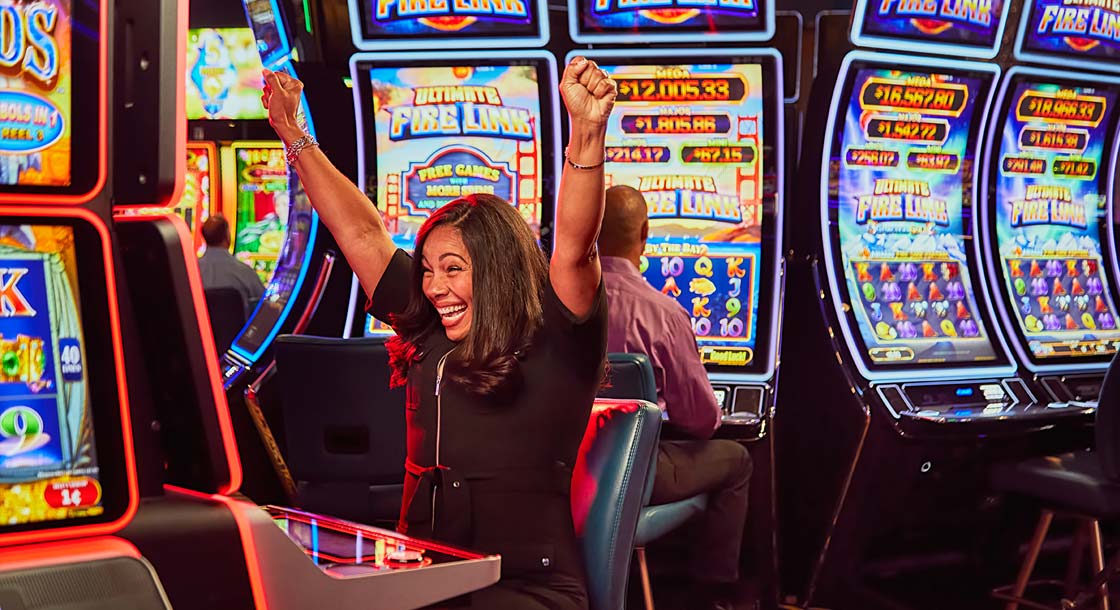
Bilder från lyllo casino
Vanliga frågor om lyllo casino free spins – allt du behöver veta
Vad är välkomstbonusen hos lyllo casino?
lyllo casino erbjuder en generös välkomstbonus som matchar din första insättning upp till 300% bonus och 100 gratissnurr. Miniminsättningen för att kvalificera sig är kr11.
Vilka omsättningskrav gäller för bonusarna?
Alla bonusar hos lyllo casino har ett omsättningskrav på 35x omsättningskrav inom 21 dagar gånger bonusbeloppet innan du kan göra uttag.
Finns det free spins eller no-deposit-erbjudanden?
Ja, lyllo casino erbjuder regelbundet free spins och ibland no-deposit-bonusar som en del av sina kampanjer. Dessa kan variera beroende på aktuella kampanjer.
Hur fungerar lojalitetsprogrammet och VIP-förmånerna?
lyllo casino har ett lojalitetsprogram där du samlar poäng för varje spel och kan klättra i nivåer. VIP-medlemmar får exklusiva belöningar, personliga kontoansvariga och högre cashback.
Kan jag få cashback på förluster?
Ja, lyllo casino erbjuder cashback på dina nettoförluster, vanligtvis upp till en viss procentsats, beroende på din lojalitetsnivå och aktuella kampanjer.
Fördelarna med lyllo casino bonus är många, men man måste vara försiktig.
Så hanterar lyllo casino bonusar med ansvar 2026
Spel är endast för personer som fyllt 18 år. lyllo casino är licensierat av Spelinspektionen, Sveriges spelmyndighet, och uppmuntrar alltid till ansvarsfullt spelande. Genom det nationella självavstängningsregistret Spelpaus.se kan du spärra dig från allt licensierat spel i Sverige. Om du känner att spelandet blir ett problem, kontakta Stödlinjen på 020-81 91 00 för kostnadsfritt och anonymt stöd. Sätt alltid upp egna insättnings- och tidsgränser, och se spel som en underhållning – aldrig som ett sätt att vinna tillbaka förluster. Spela medvetet och ansvarsfullt.